
Forex Market Learning Index
Structured educational pathway from global macroeconomic fundamentals to institutional interbank price action.
Foundation & Chart Analysis
5 ModulesForex Market Basics
Currency pairs, exchange rates & pips
Candlestick Patterns
Pin bars, morning stars & rejection candles
Chart Patterns
Channels, double bottoms & flag breakouts
Market Analysis
Central banks, interest rates & technicals
Support & Resistance
Key psychological exchange rate barriers
Currency Derivatives & Interbank Flow
4 ModulesAll About Analysis in Forex Market
Master the art of currency trading through comprehensive technical analysis, central bank macro fundamentals, interest rate differentials, and global session liquidity dynamics.
Global Forex Trading Sessions & Overlap Liquidity
Accounts for 35%+ of daily volume. High momentum breakouts on EUR/USD, GBP/USD, EUR/GBP.
Accounts for 20%+ of volume. USD pairs react aggressively to U.S. CPI, NFP, and FOMC rate decisions.
Key for JPY pairs (USD/JPY, EUR/JPY). Bank of Japan rate interventions create sharp wicks.
Initial weekly market open. Lower liquidity, setting baseline ranges for AUD and NZD pairs.
The most liquid 4 hours in global finance. Spreads are narrowest and directional institutional trend trends are strongest.
Analysis Methods for Trading & Investing
Technical Analysis
Reading currency pairs on the basis of chart patterns, technical indicators, and momentum oscillators.
Fundamental Analysis
Focuses on macroeconomic factors, interest rate differentials, GDP, inflation, and central bank monetary policies.
Quantitative Analysis
Trading on the basis of numbers, statistics, probability models, regression curves, and COT reports.
Price Action
Analyzing raw price swings, swing points, and candle formations directly on currency pairs without lagging indicators.
Fundamental vs Technical Analysis in Forex
Fundamental Analysis
Focuses on macroeconomic factors, central bank policies, and geopolitical events. This includes analyzing economic indicators, interest rates, GDP growth, inflation, and employment data to determine currency strength.
Technical Analysis
Uses similar tools as equity analysis but adapts to shorter timeframes and high intraday liquidity. This involves analyzing technical charts, support/resistance zones, and indicators to identify setups.
Pro Confluence Principle:
Many forex traders use a combination of both fundamental and technical analysis to make trading decisions. Fundamental analysis identifies the macro directional bias, while technical analysis pinpoints the exact entry and stop-loss placement.
Technical Analysis Tools & Blueprints in Forex
Drawing Tools in Currency Charts
- • Trendline: Connect swing highs/lows. Trendline breaks signal potential reversal or session continuation.
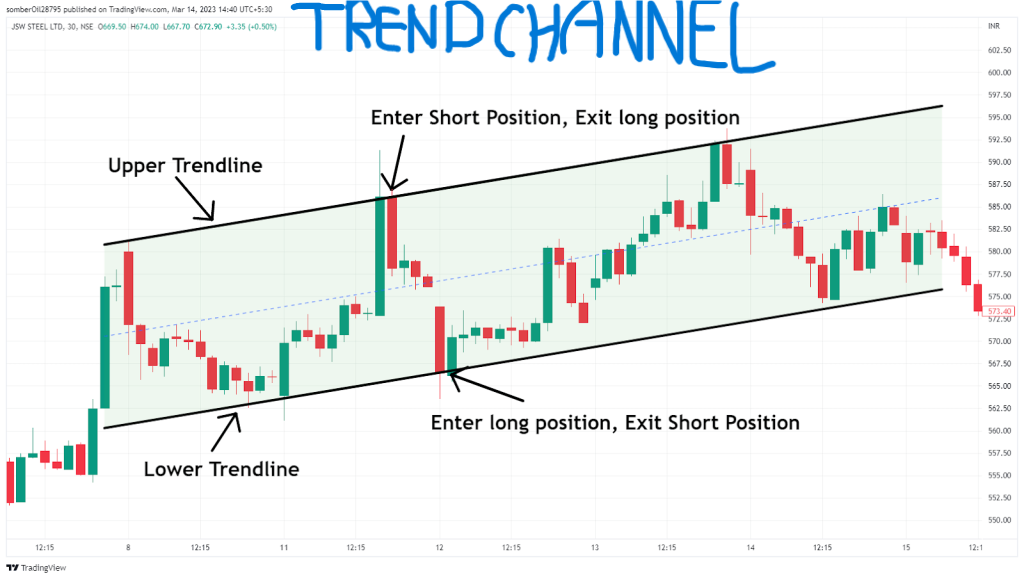
- • Trend Channel: Parallel lines containing pip swings; useful for buying channel support and selling channel resistance.
- • Support & Resistance: Key horizontal price zones where order flow absorbs selling pressure.
Bullish Setups
- • Double Bottom: W-pattern retesting key psychological pip floor
- • Ascending Triangle: Buyers absorbing resistance with higher lows
- • Cup & Handle: Multi-day accumulation leading to explosive breakout
- • Bull Flag: Orderly consolidation during London trend
Bearish Setups
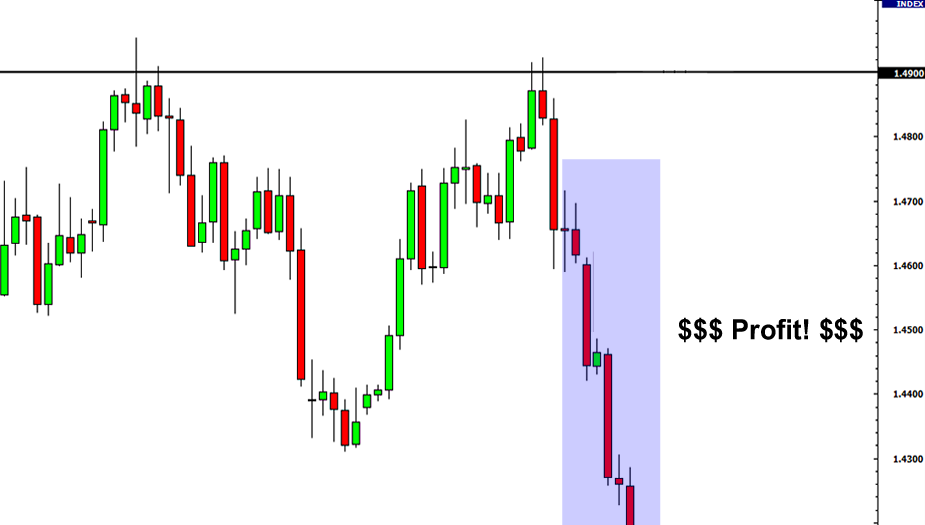
- • Double Top: M-pattern retesting institutional ceiling
- • Descending Triangle: Sellers pressing horizontal floor with lower highs
- • Head & Shoulders: Classic distribution pattern signaling major top
- • Bear Flag: Quick pause before next downside pip expansion
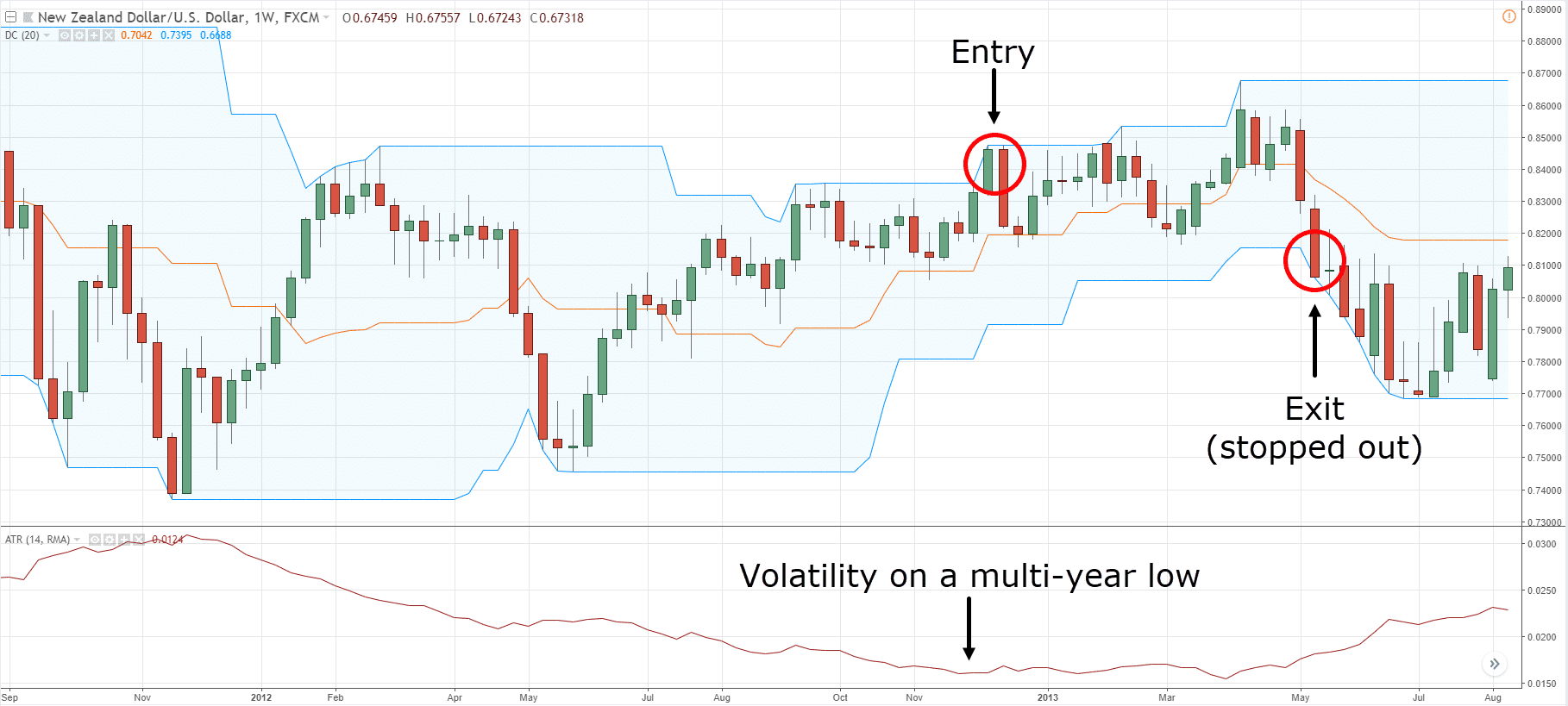
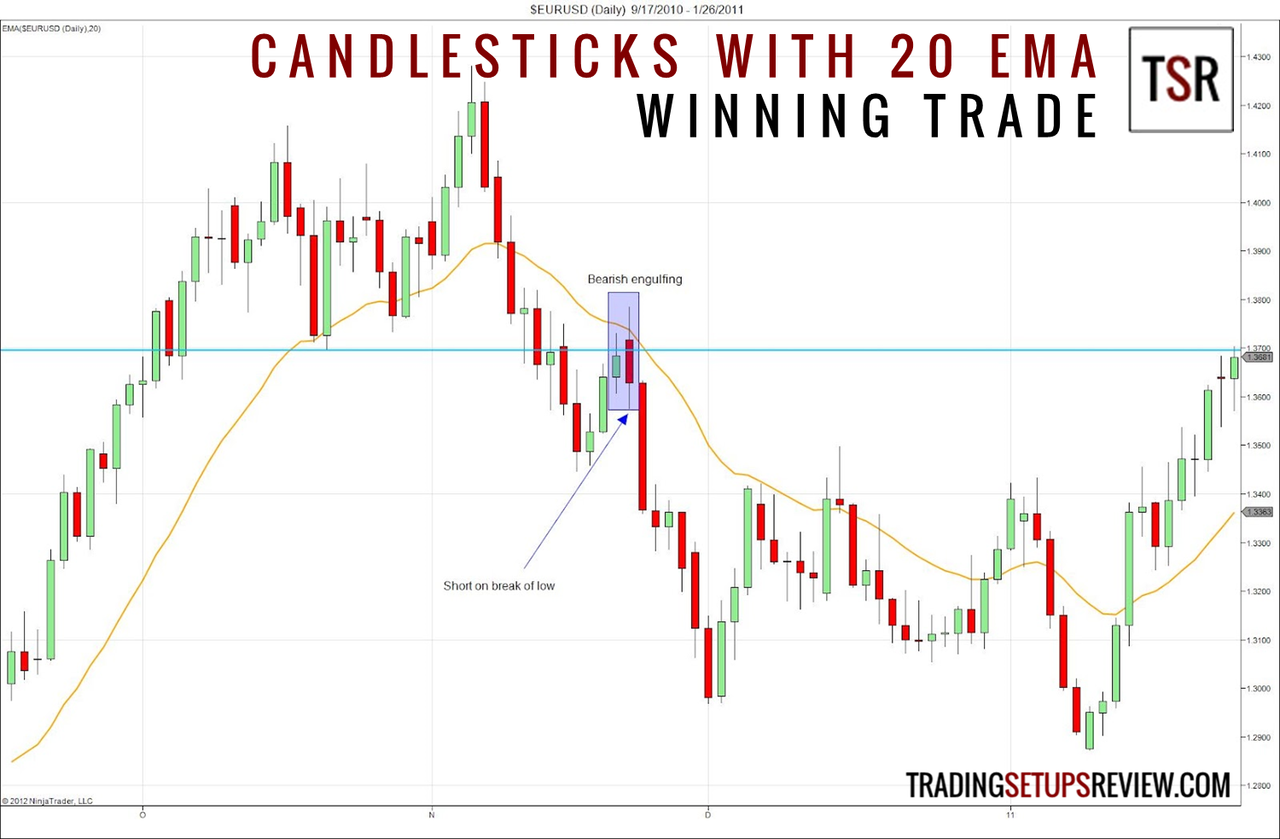
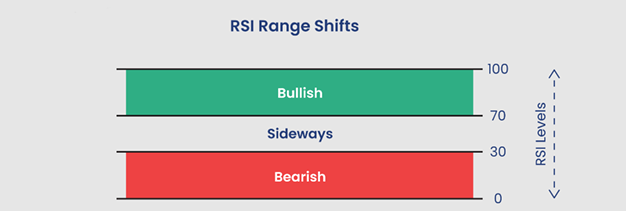
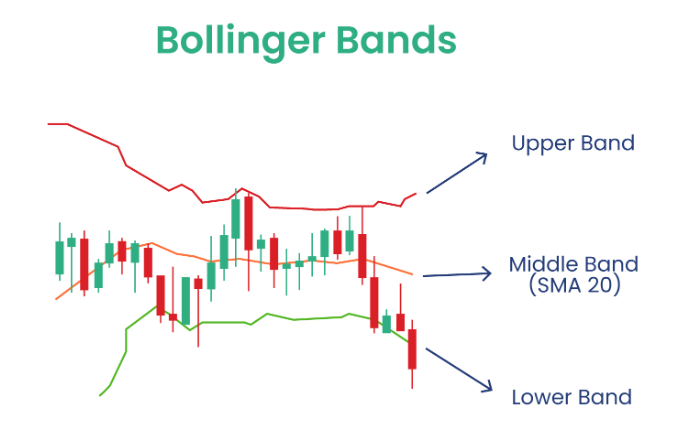
Proven Forex Indicator Strategies:
Pure Price Action Analysis in Forex
Forex pairs are heavily driven by institutional interbank order flow. Reading pure price action eliminates the delay of lagging indicators and provides crystal-clear precision at key liquidity zones.
The Lagging Indicator Trap in Currencies
- • By the time indicators signal a cross, 30-50 pips of the move have already passed
- • Multi-indicator dashboards create cognitive overload during high-impact news
- • Cluttered charts hide wick rejections and institutional footprints
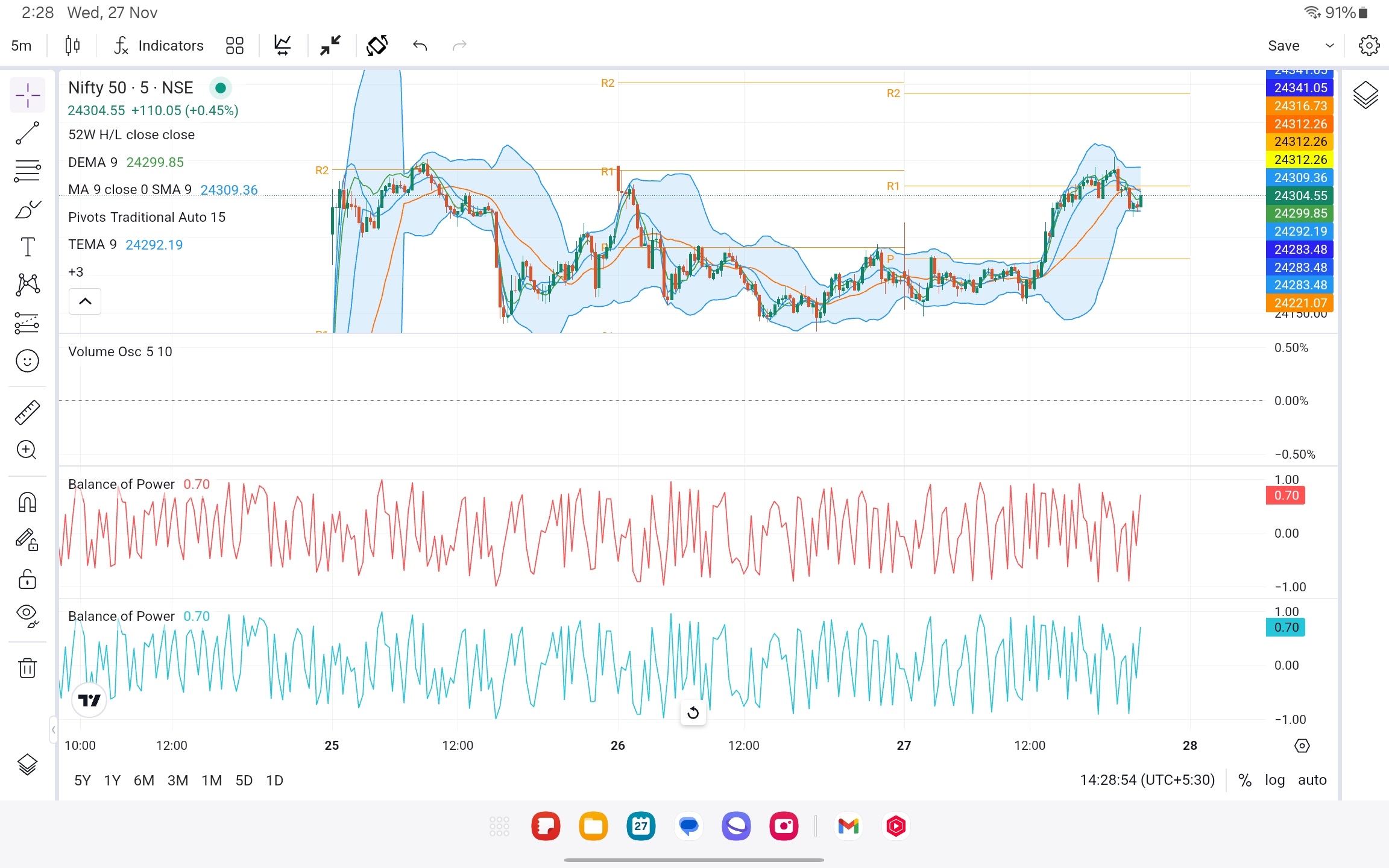 Pitfall: Overcrowded Indicator Chart
8 Core Price Action Setups & Visual Blueprints:
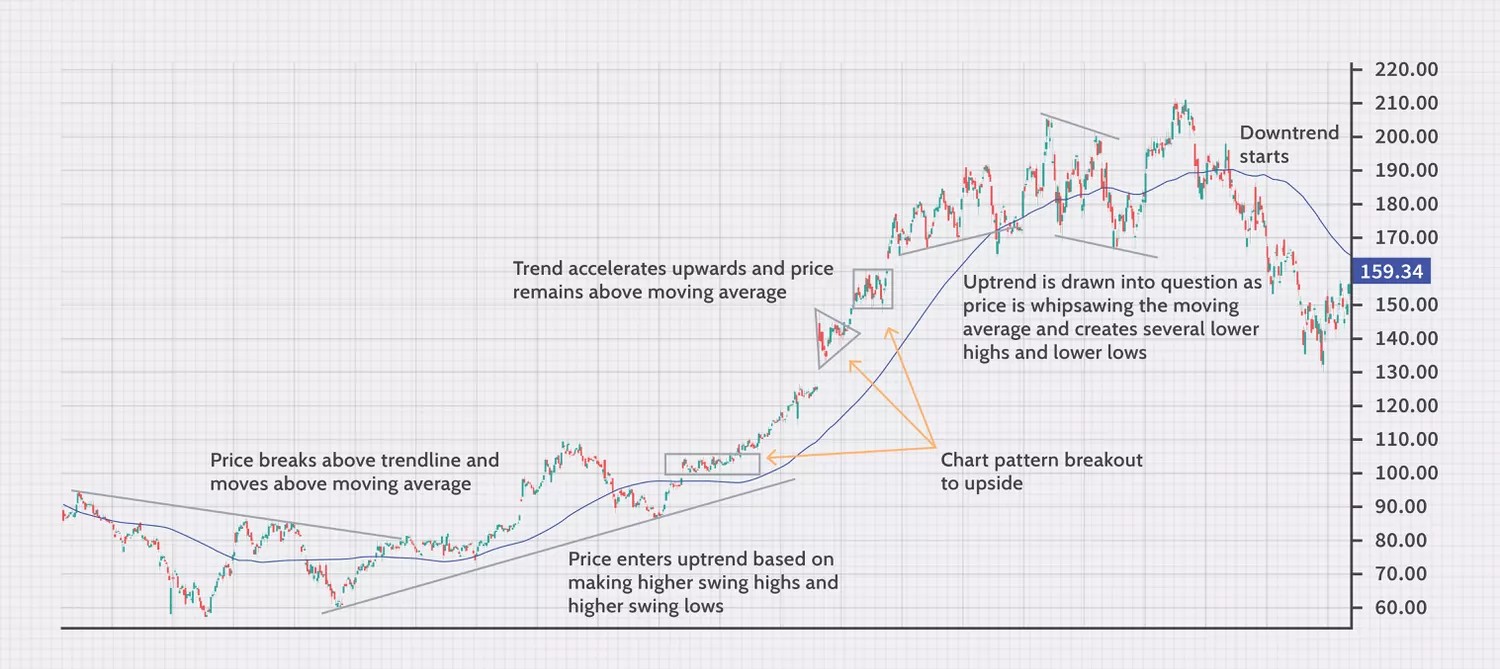
1. Trend Trading (Riding Institutional Momentum)
Trade in the direction of the dominant higher-timeframe trend. Buy pullbacks in uptrends; short bounces in downtrends.
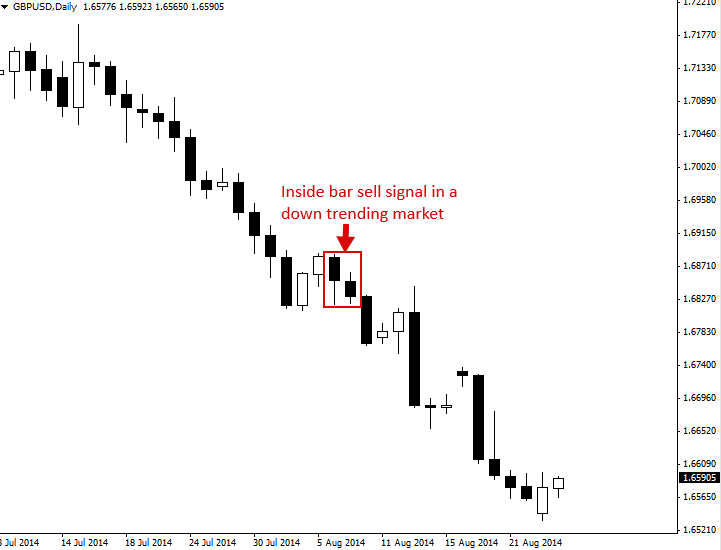
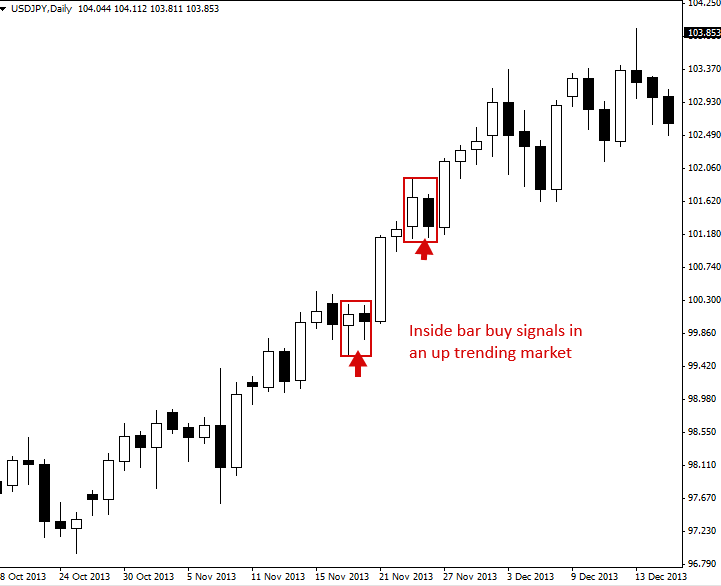
2. Inside Bar Strategy (Volatility Squeeze)
Candle high and low resting completely within prior mother bar. Breakout of mother bar triggers explosive pip expansion.
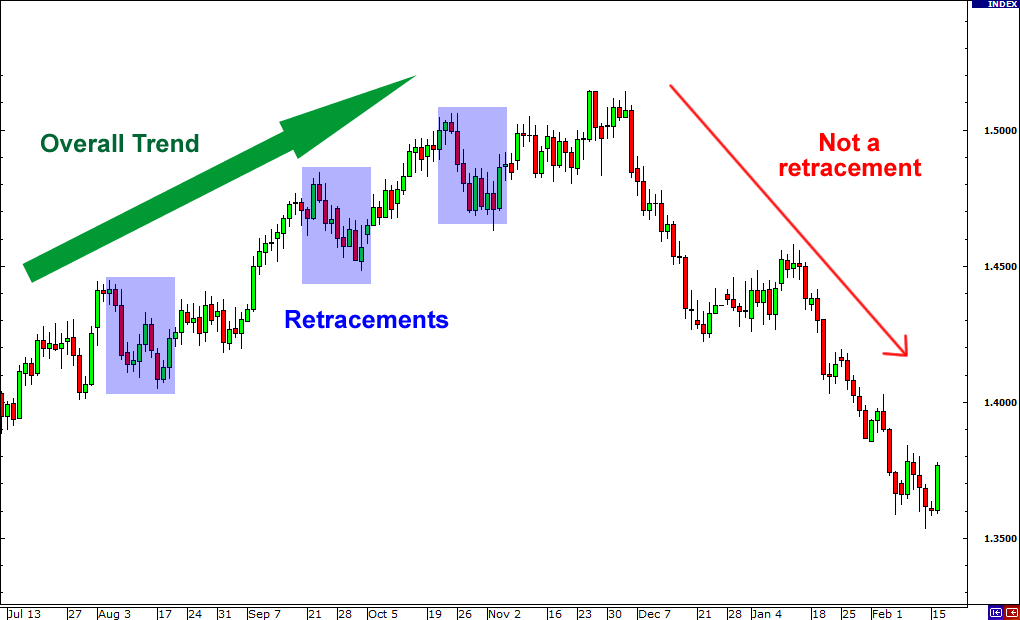
3. Retracements (Pullback Throwbacks)
Orderly profit-taking back into key 50% or 61.8% Fibonacci zones before trend resumption.
4. Reversal Patterns (Exhaustion Points)
Complete shift in supply/demand confirmed by higher high failure and volume divergence.

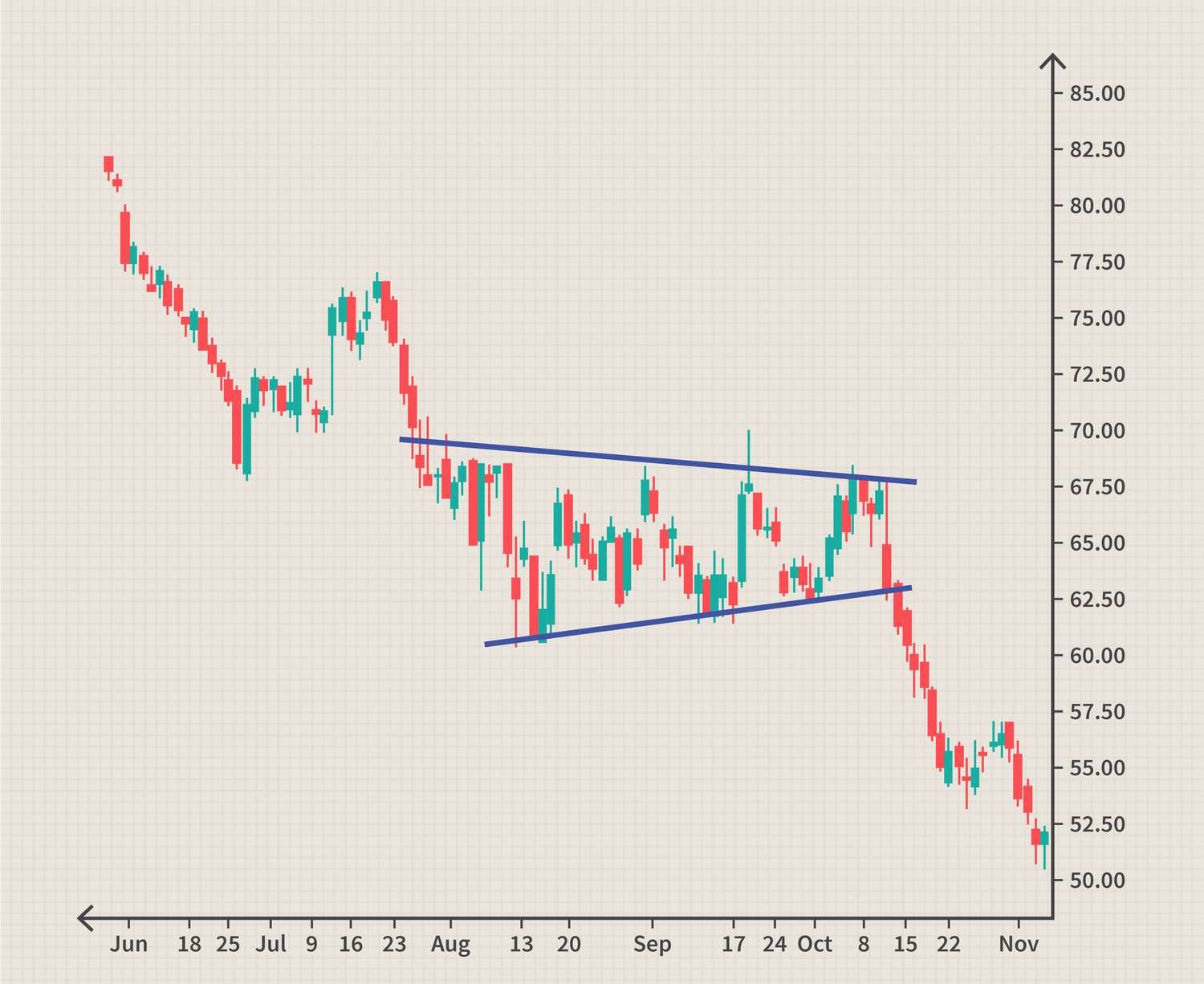
5. Breakouts & Breakdowns
Breakouts above resistance or breakdowns below support. Volume confirmation is mandatory.

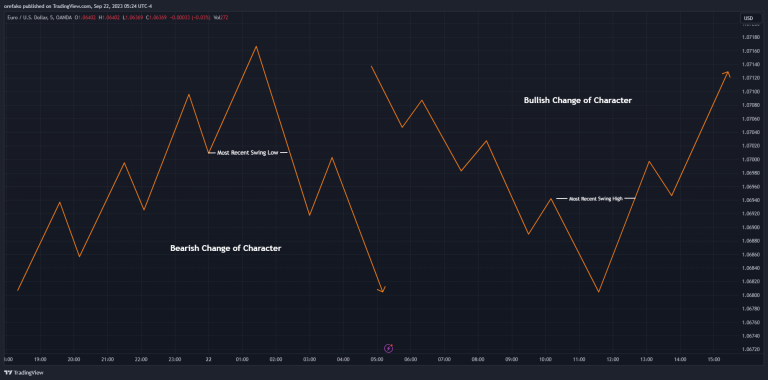
6. Change of Character (ChoCh)
Early institutional warning signal where minor structure breaks before macro reversal unfolds.
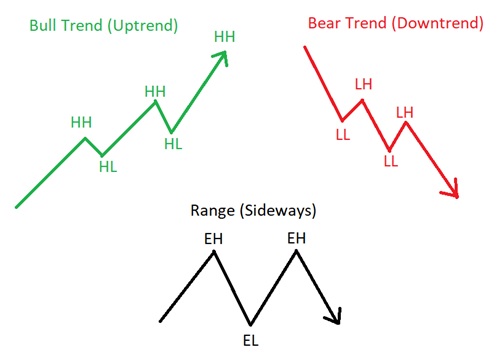
7. Market Structure (HH/HL vs LL/LH)
Uptrend = Higher Highs (HH) + Higher Lows (HL). Downtrend = Lower Lows (LL) + Lower Highs (LH).
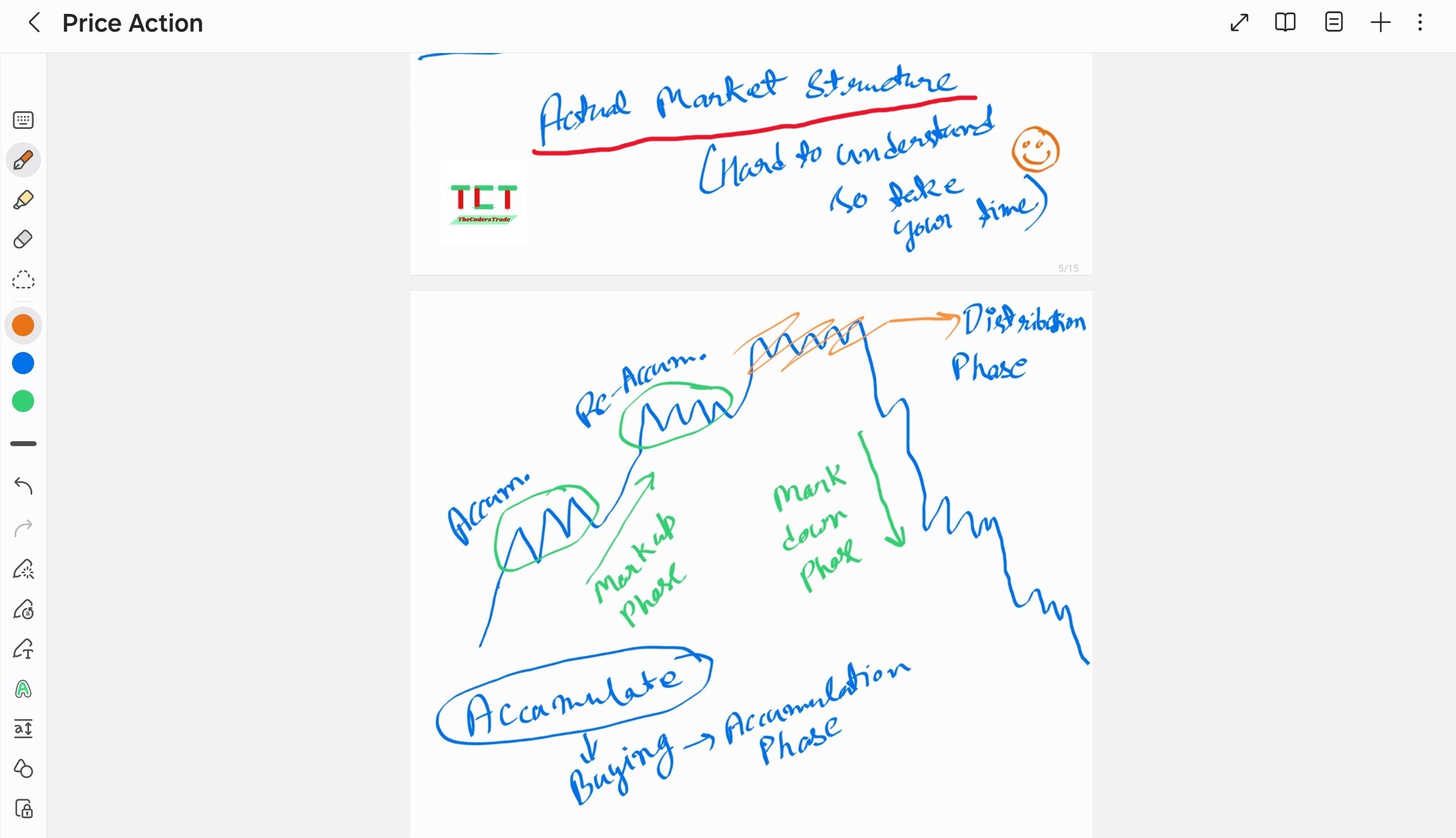
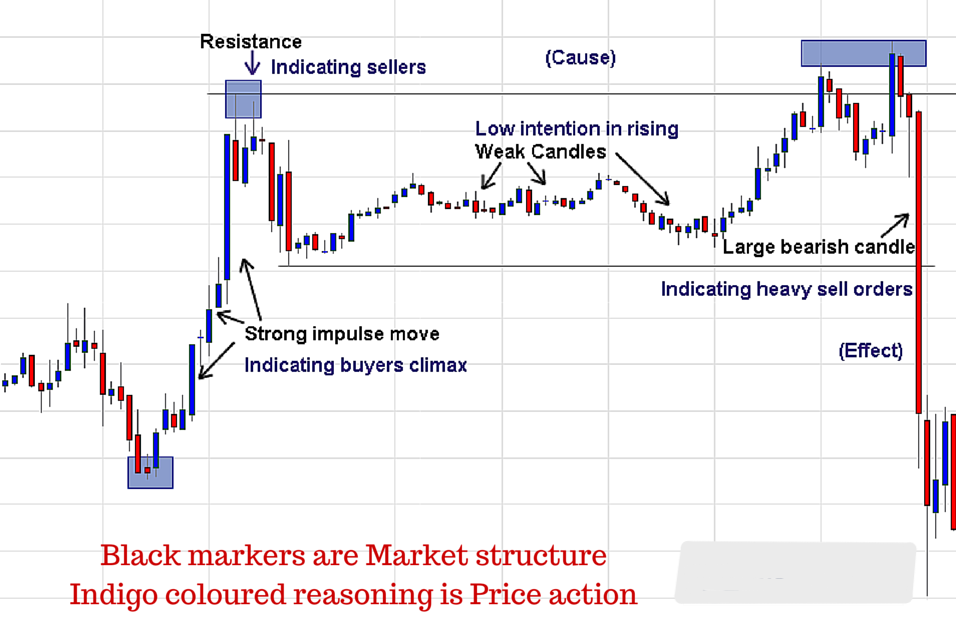
8. Market Structure Cycles & Real Phases
Accumulation → Markup (Bull Phase) vs Distribution → Markdown (Bear Phase).
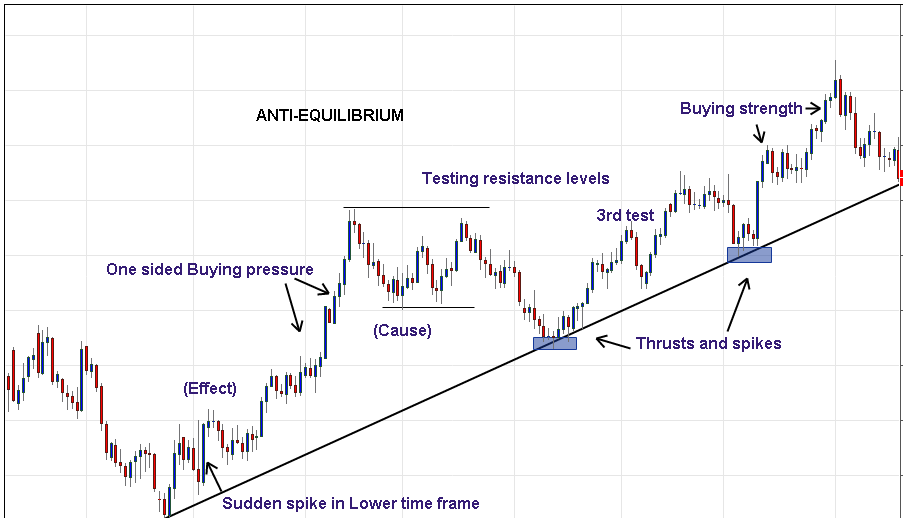
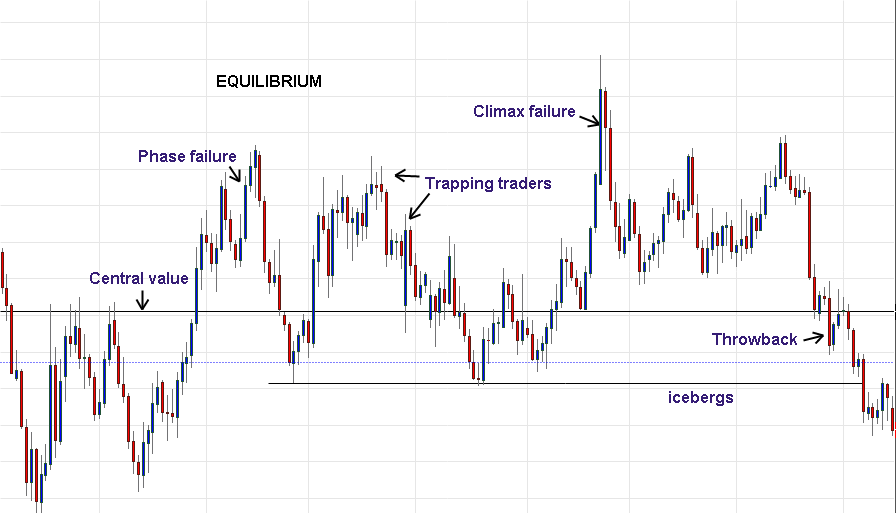
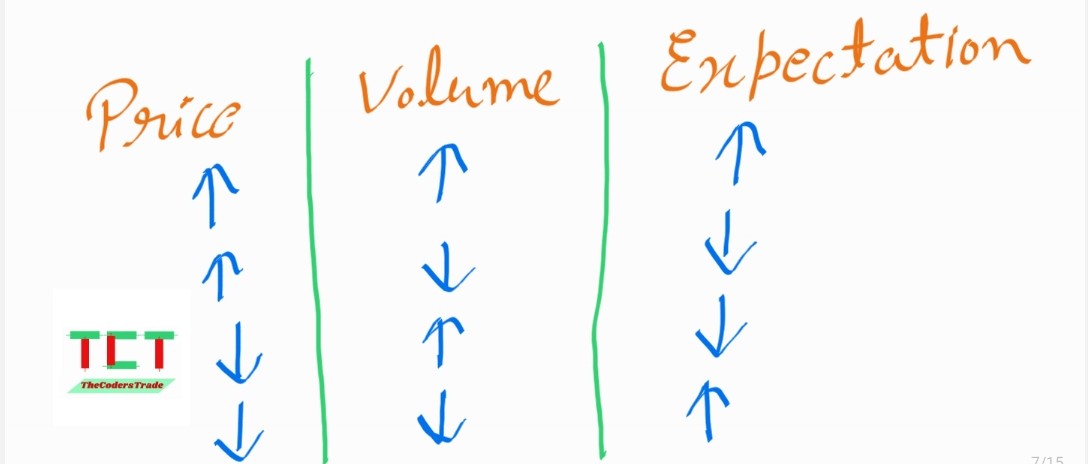
Price-Volume Expectation Matrix in Currencies
Macroeconomic Fundamentals & Central Bank Policies
Fundamental analysis evaluates economic indicators and monetary policy to gauge currency strength. When an economy displays superior growth and higher interest rates, foreign capital flows in, appreciating the currency.
Economic Indicators (High Impact)
- • GDP Growth: Strong GDP growth often strengthens the currency as foreign investors purchase local assets.
- • Inflation (CPI & PPI): Elevated inflation compels central banks to hike rates, boosting currency yield.
- • Employment Data (NFP & Unemployment): U.S. Non-Farm Payrolls triggers 100+ pip intraday swings on USD pairs.
- • Retail Sales: Reflects consumer spending power and overall economic trajectory.
Central Bank Policies
- • Interest Rates: The single most potent driver. Higher interest rates attract foreign capital, appreciating the domestic currency.
- • Quantitative Easing (QE): Expands money supply, diluting purchasing power and weakening currency.
- • Quantitative Tightening (QT): Shrinks money supply, strengthening currency value.
- • Central Banks Monitored: Federal Reserve (Fed), European Central Bank (ECB), Bank of England (BOE), Bank of Japan (BOJ).
7-Step Comprehensive Forex Analysis Approach
Economic Calendar Check
Review high-impact red-folder news (NFP, CPI, Rate Decisions) to avoid getting caught in sudden spread spikes.
Determine Macro Trend
Use Daily and 4H charts to establish major currency direction and institutional order flow.
Identify Key S&R Zones
Mark historical horizontal liquidity levels, psychological round numbers, and previous week highs/lows.
Chart Pattern Validation
Spot ascending triangles, head and shoulders, or flags aligning with the higher timeframe bias.
Indicator Confirmation
Check 50/200 EMA trend alignment, RSI oversold/overbought divergence, and ATR for volatility.
Risk-Reward Calculation
Define stop-loss beyond invalidation zone. Ensure minimum 1:2 risk-to-reward ratio before entry.
Session Execution
Execute exclusively during peak liquidity windows (London and New York overlap) for tightest spreads.